In Saudi Arabia, the Korean Wave is now spreading rapidly beyond music and drama into food culture. Locals who came to take an interest in Korea through Korean dramas and K-pop are seeking out Korean restaurants. And it does not stop there: foreigners who have travelled in Korea also come to Korean restaurants to taste again the dishes they enjoyed on their trip. Lately, demand has been growing not simply to eat Korean food but to experience a Korean space, atmosphere and culture along with it.
Koyee Korean Cafe and Cuisine, located in Al Khobar — the economic hub of Saudi Arabia's Eastern Province — is a place that captures this trend. Operating branches in both Riyadh and Al Khobar, Koyee presents authentic Korean food, a Korean-style bakery and cultural programmes together, establishing itself as a space in which to experience Korean culture locally. The correspondent visited the Al Khobar branch and met marketing director Choi Myung-hee to hear about Koyee's beginnings, its operating philosophy, and how Saudi customers have responded.
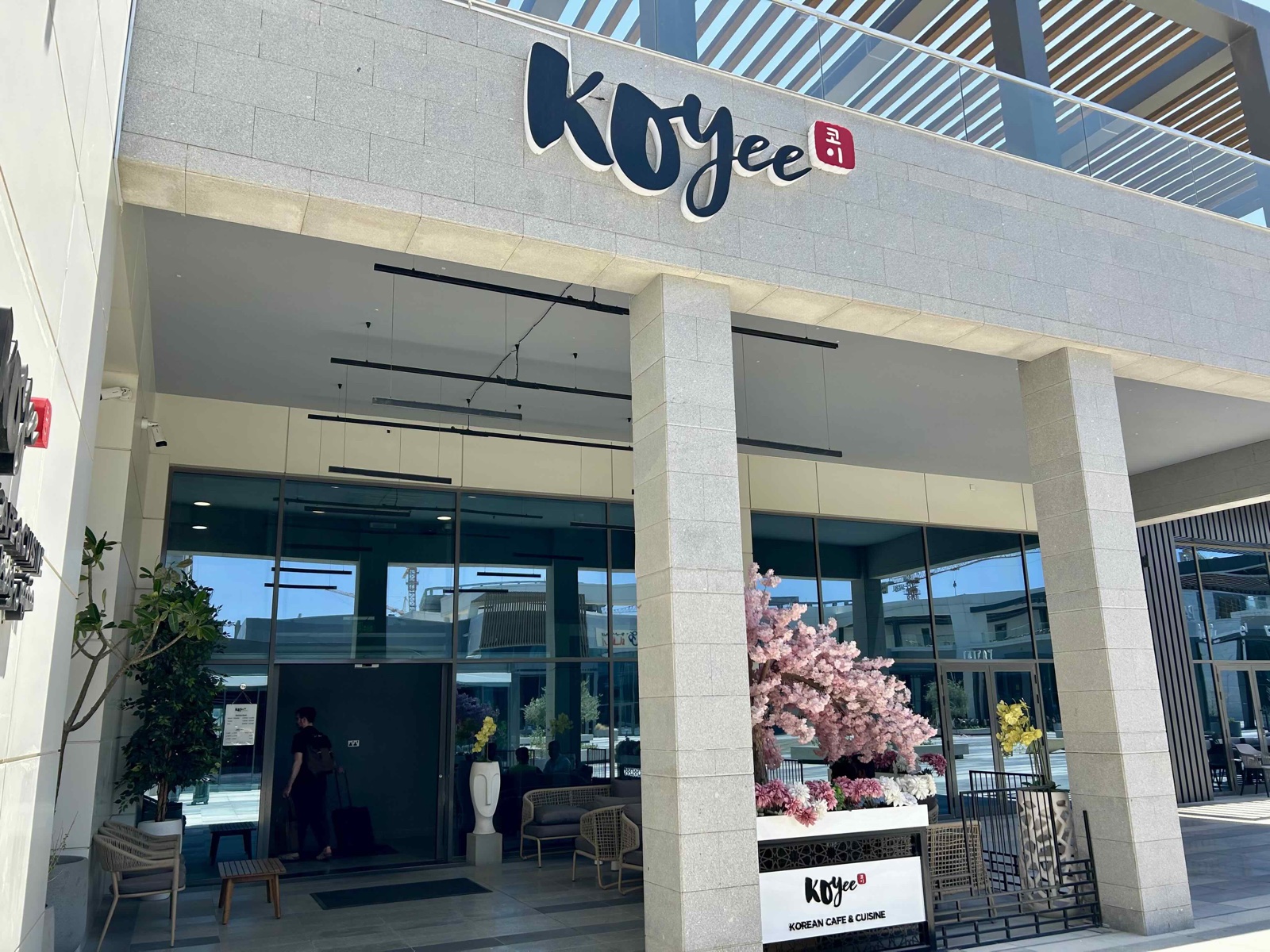
The exterior and interior of Koyee Korean Cafe and Cuisine — Source: photo by the correspondent
Q. What led you to start Koyee?
Koyee's marketing director Choi Myung-hee explained that Koyee is a project launched by a company that had run a construction business in Saudi Arabia as it expanded into the food-service sector. She said she had worked at Emirates' Dubai base for about seventeen years until June 2025, then moved to Saudi Arabia last July and began a new life with Koyee. Over her long years living abroad, she said, she had come to feel that Korean culture and food have a power to connect people naturally, and in Saudi Arabia too she "experienced first-hand that interest in Korean culture is greater than expected, and wanted to create not simply a restaurant selling Korean food, but a space where people can experience Korean food and culture together."
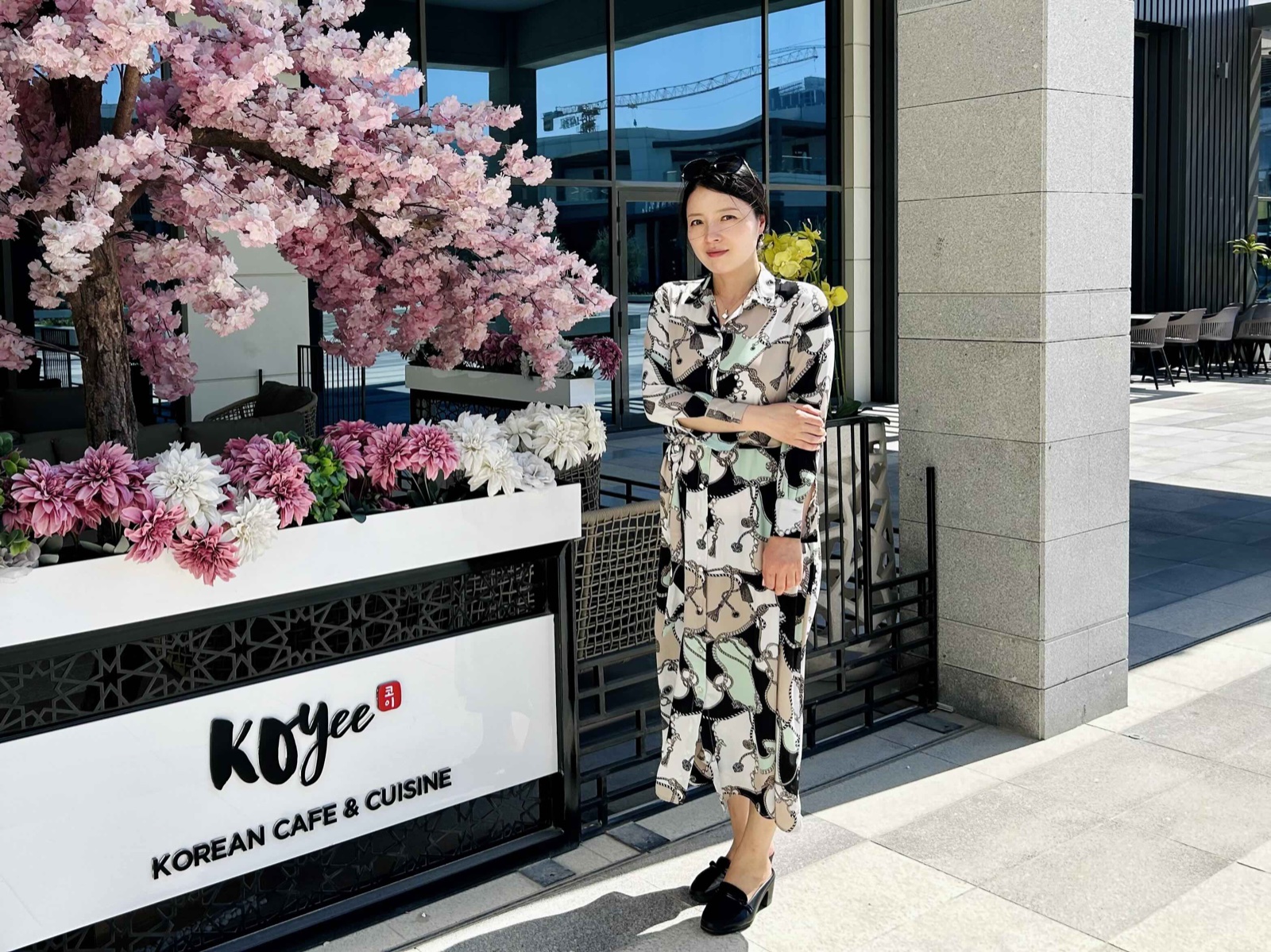
Marketing director Choi Myung-hee — Source: photo by the correspondent
She also explained that the brand name "Koyee" was inspired by "Ko," for Korean, and "Lee," the founder's family name, while also carrying the meaning of the carp (こい, Koi) — a symbol of prosperity and good fortune in East Asian cultures. As for why Al Khobar was chosen, she pointed to its status as the economic hub of Saudi Arabia's Eastern Province and an international city where people of many nationalities live together. It is a region with keen interest in new cultures and great growth potential, she said, and she judged that the Eastern Province, too, needed a space to introduce authentic Korean taste and culture.
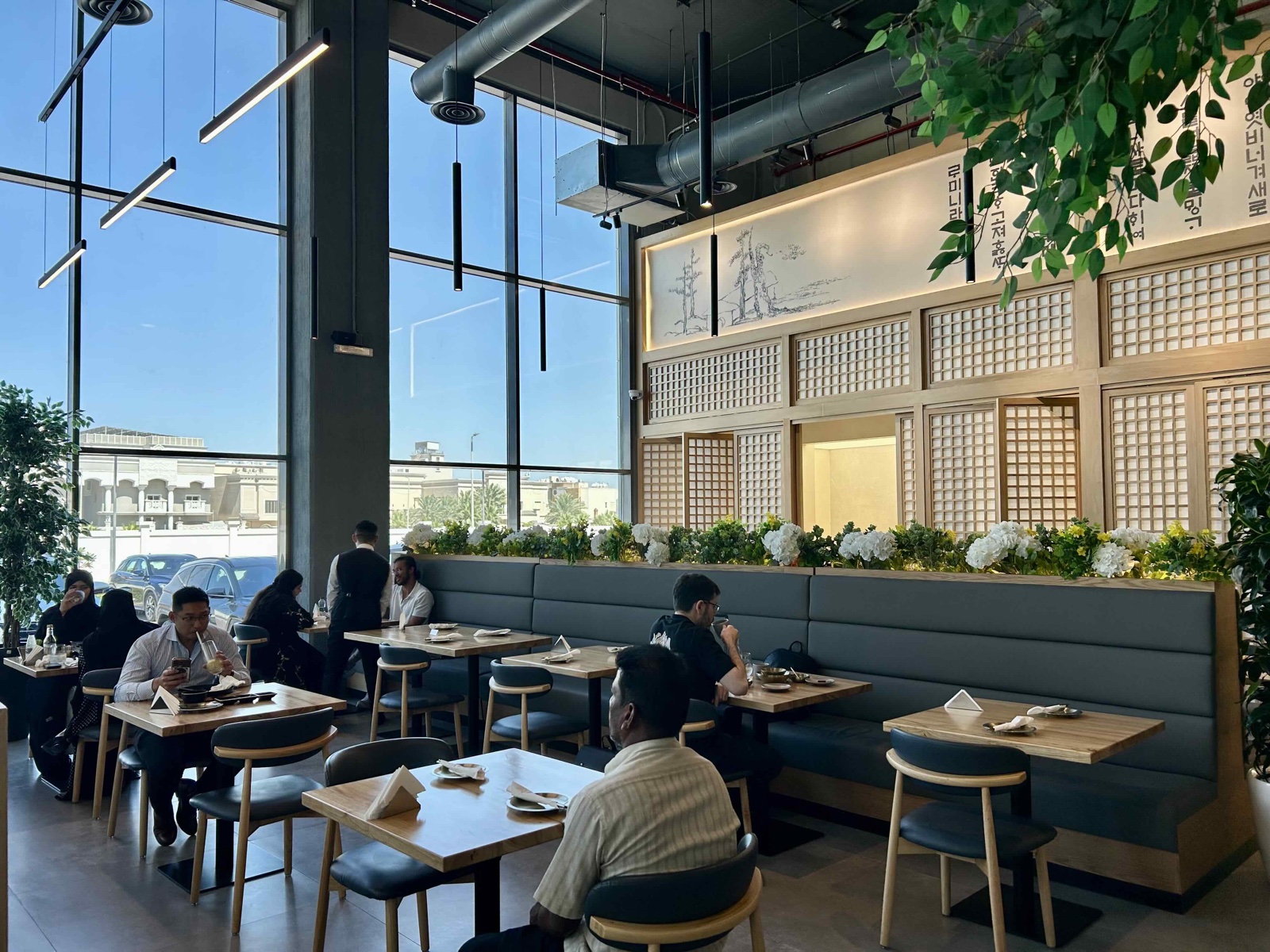
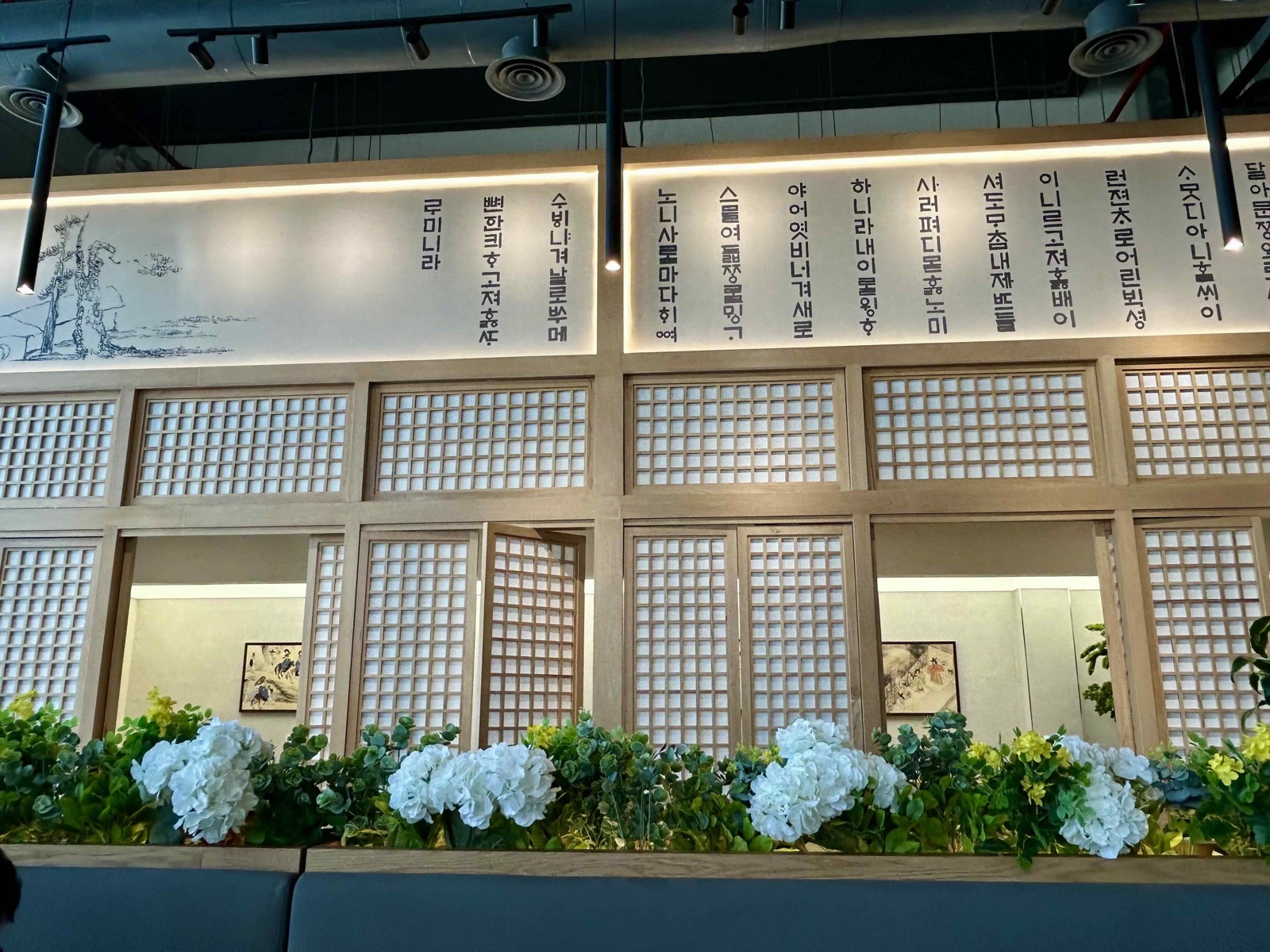
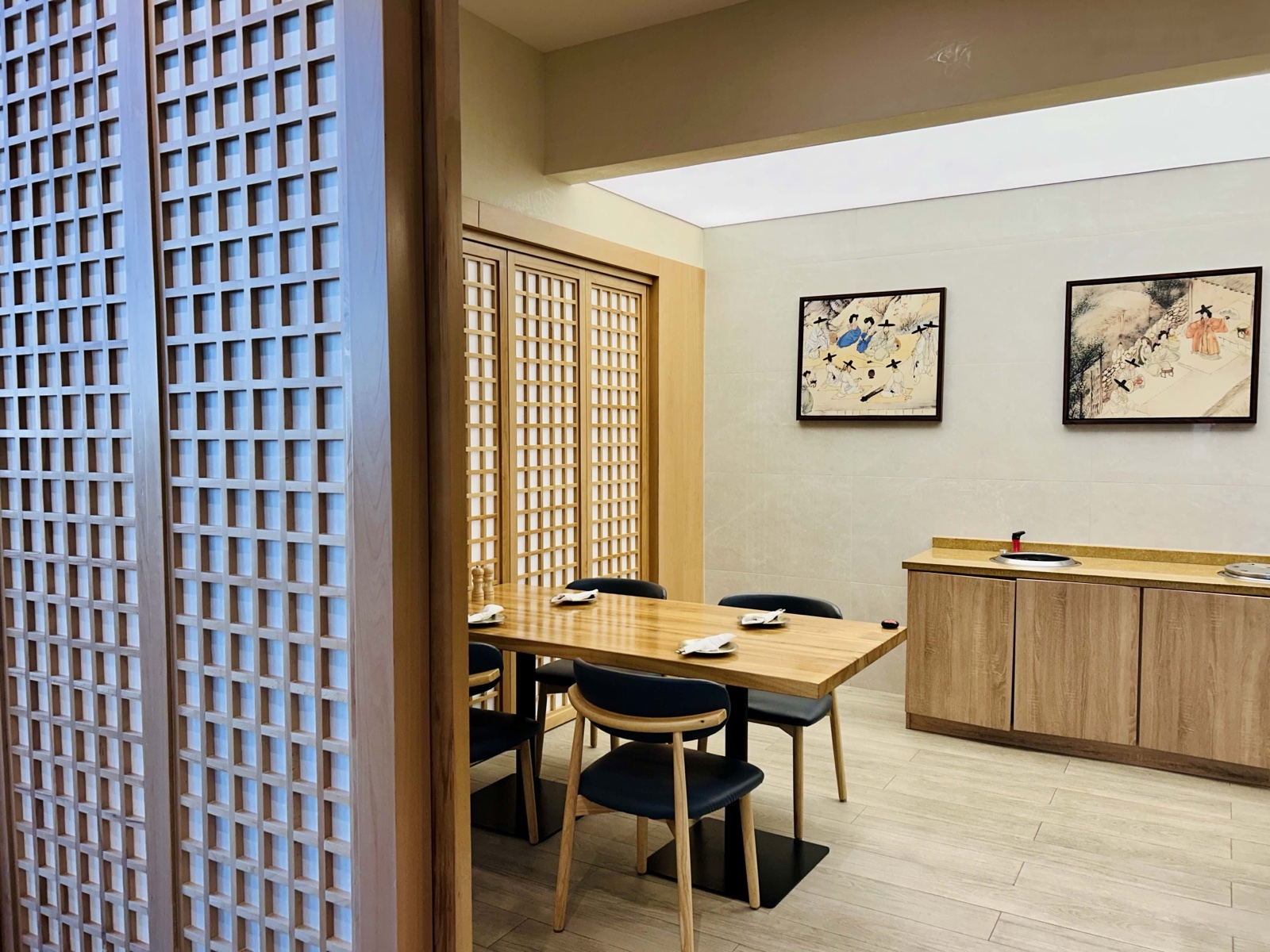
The first thing the correspondent felt while looking around the store was likewise not the food but the atmosphere of the space. The wide, open interior, the design imbued with a Korean sensibility, and the objects placed here and there left an impression closer to a cultural complex for experiencing Korean culture than to an ordinary restaurant. Korean-style objects and decorations were arranged throughout the interior, and local guests could be seen enjoying their meals in a calm atmosphere.
Koyee's interior, imbued with a Korean sensibility — Source: photo by the correspondent
The interior of Koyee Korean Cafe and Cuisine — Source: photo by the correspondent
Q. What are Koyee's signature dishes, and how do you recreate the taste of Korea?
Director Choi explained that Koyee's principle is to have a Korean head chef take charge of the kitchen and recreate the taste of authentic Korean cuisine as it is. Both in ingredients and in cooking methods, the focus is on conveying Korea's original flavours as faithfully as possible, she said, so that customers can experience the same taste as eating in Korea. The signature dishes are wagyu barbecue, dolsot bibimbap (stone-pot bibimbap) and dak-galbi (spicy stir-fried chicken). Recently, she added, buckwheat makguksu and buckwheat chicken have also been steadily gaining popularity. Buckwheat makguksu in particular, though a dish not easily encountered in Saudi Arabia, has drawn such a good response that customers who taste it return at a high rate. She added that customers frequently react by saying it is "refreshing and clean," that it "goes well with the hot weather," and that it "broke my prejudice against cold noodles."
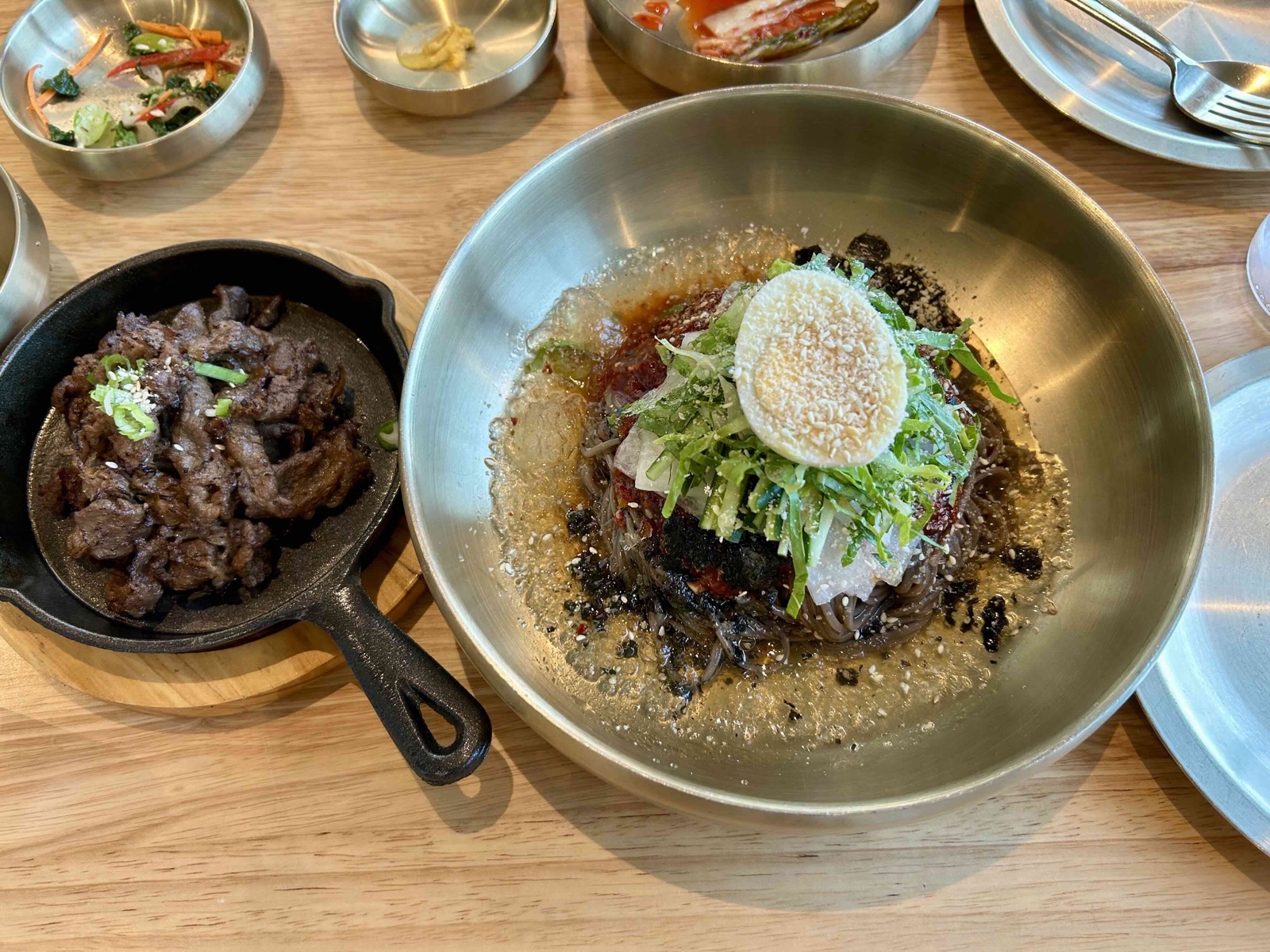
Buckwheat makguksu, the summer special — Source: photo by the correspondent
The correspondent, too, tasted the buckwheat makguksu. Its cool broth and the light aroma of buckwheat paired well with Saudi Arabia's sweltering summer. It was an authentic taste reminiscent of the makguksu enjoyed in Gangwon Province. Indeed, one foreign customer who had tasted makguksu while travelling in Korea's Gangwon Province told the correspondent, "I never thought I would get to taste such authentic buckwheat makguksu again in Saudi Arabia. Memories of my trip to Korea came back to me naturally."
Q. How have local customers responded to the Korean-style bakery?
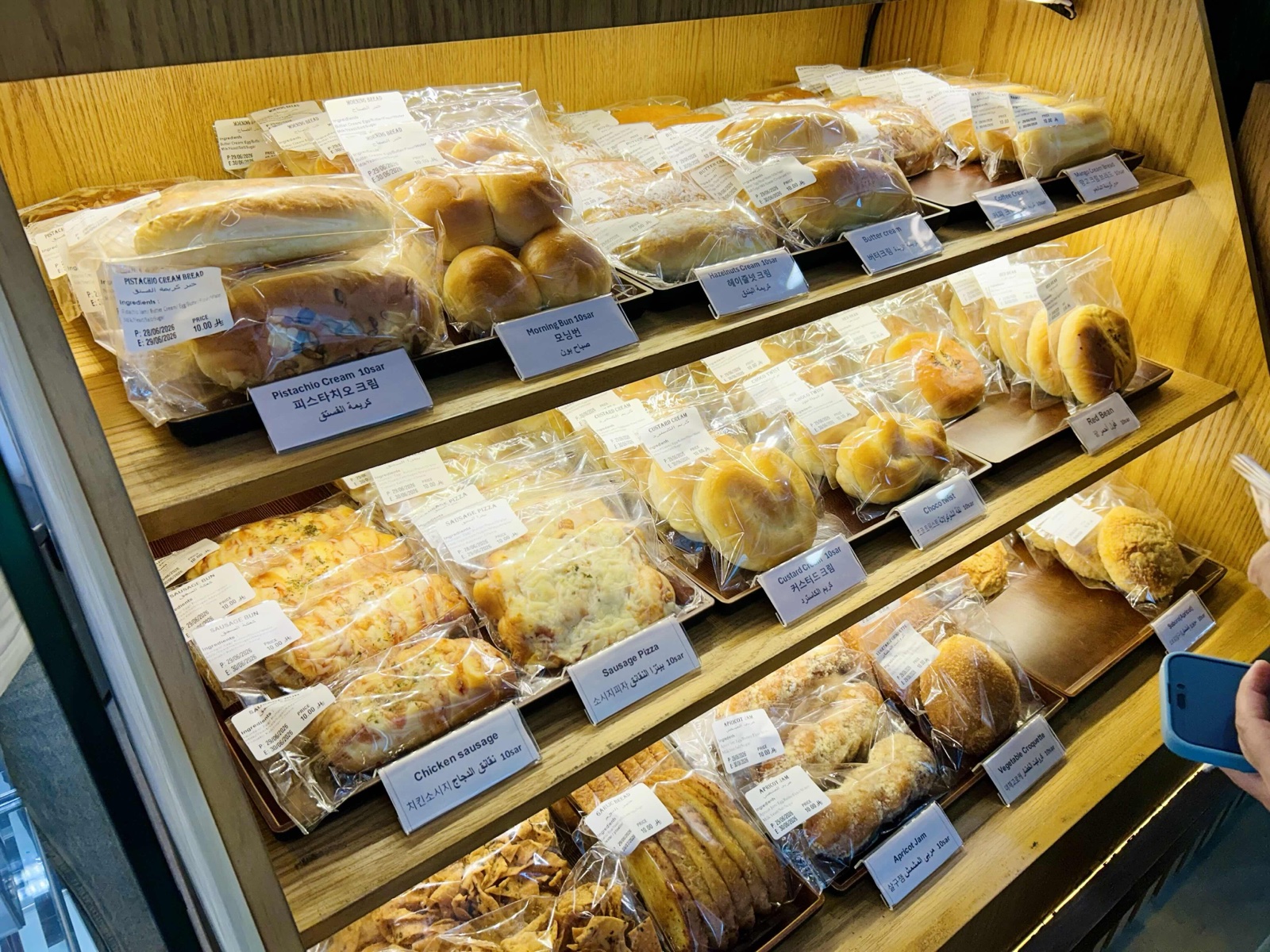
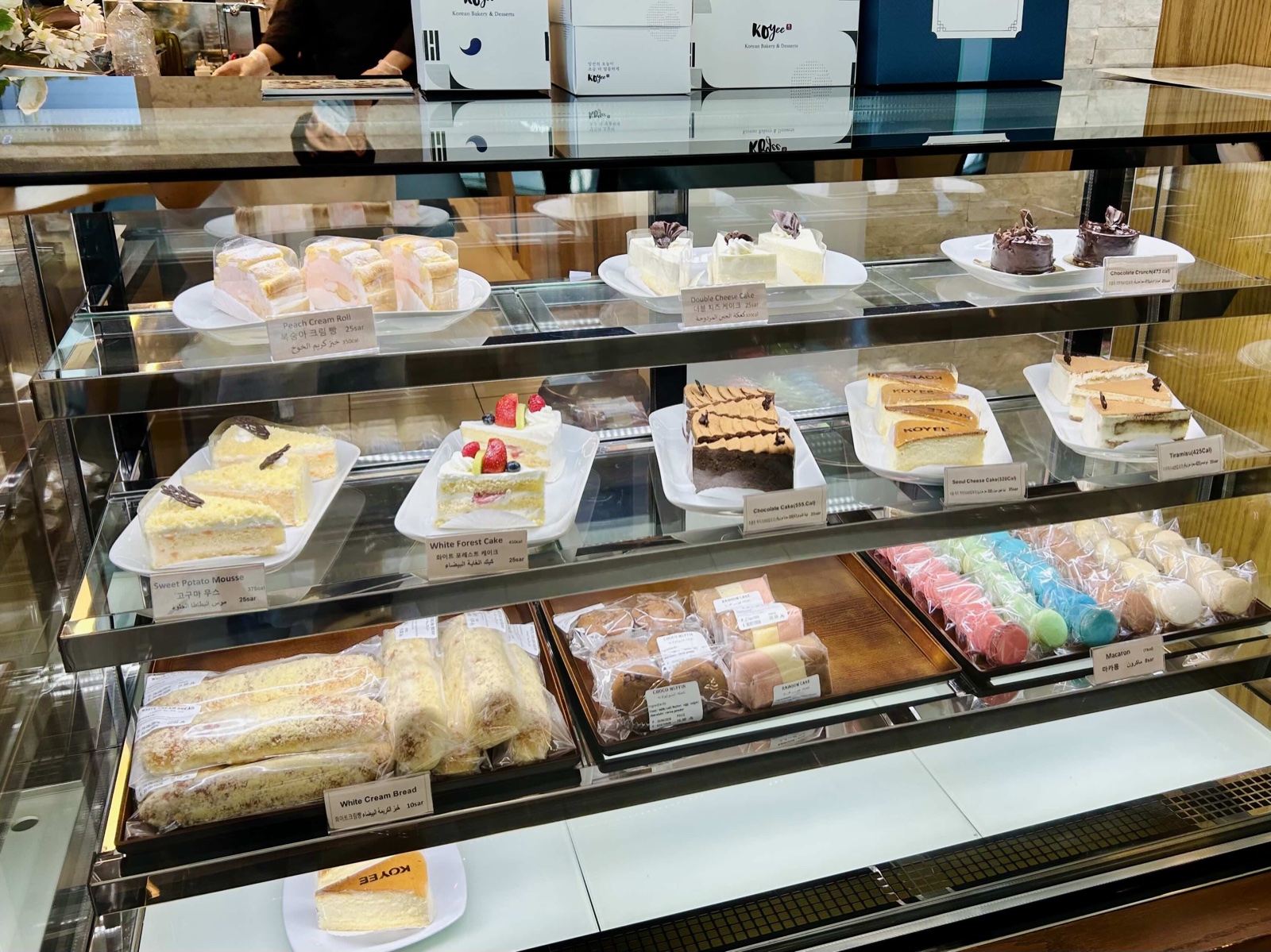
Director Choi explained that the variety of breads and desserts made by a Korean baker have won a good response not only from local customers but also from foreigners of many other nationalities. The Korean-style bakery, she said, has become far more popular than expected, and a culture of enjoying bread and coffee together after a meal is taking root naturally.
Behind the Korean-style bakery's warm local reception lies a coffee culture shared by Korea and Saudi Arabia. Like Korea, Saudi Arabia has made café-going part of everyday life, and a consumer culture of enjoying bakery items alongside coffee has formed naturally. This shared food culture is playing a positive role in helping the Korean-style bakery settle in locally.
Korean-style bakery and desserts — Source: photo by the correspondent
A foreign customer with experience travelling in Korea told the correspondent that the danpatppang (sweet red-bean bun) she had eaten in Korea was not easy to find in Saudi Arabia, so she was truly delighted to be able to taste it again at Koyee — and that, thanks to it, memories of her trip to Korea came back to her naturally.
Q. How do you sense the recent interest in the Korean Wave and Korean food in Saudi Arabia?
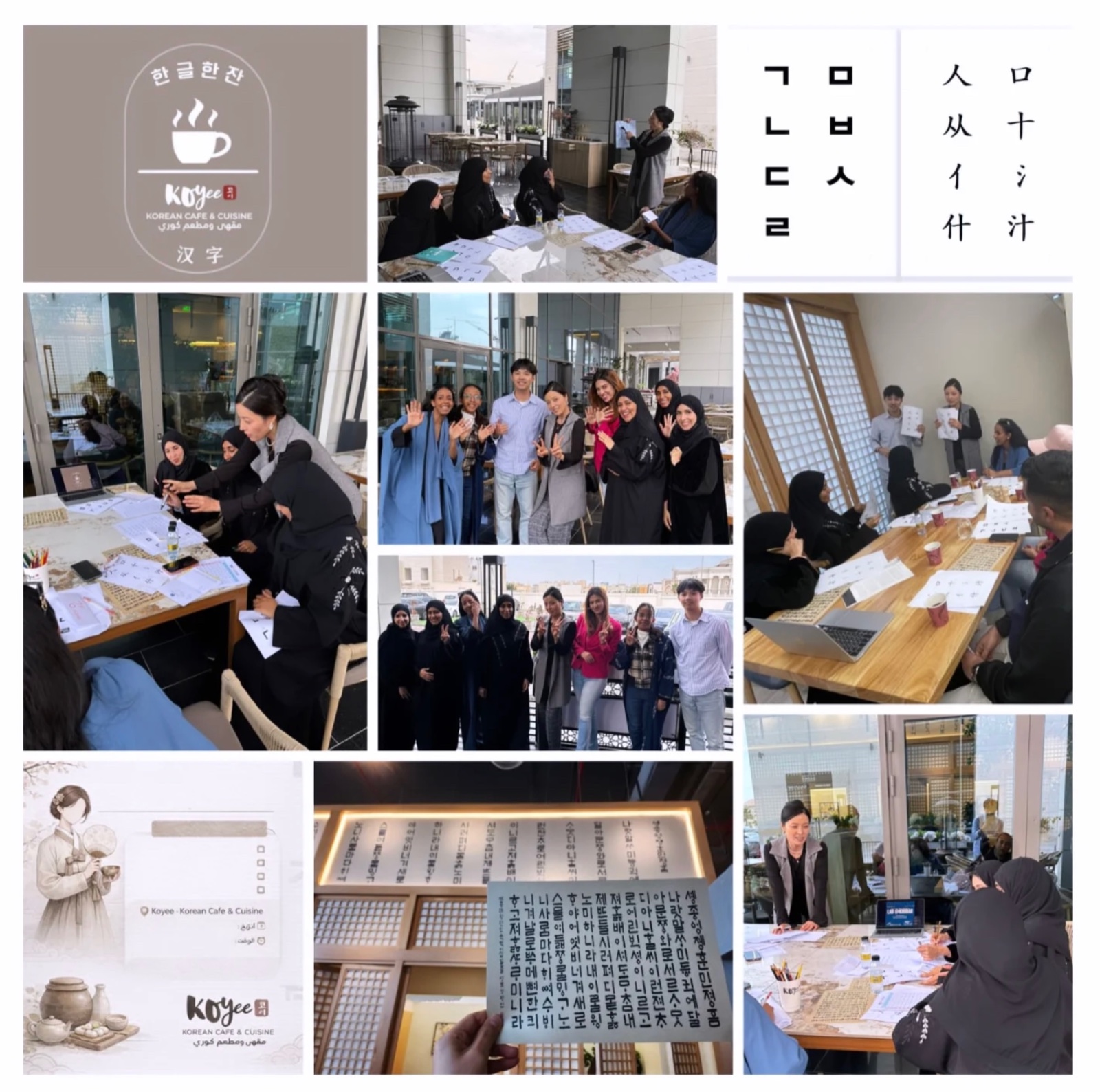
Director Choi said that the number of customers who, having taken an interest in Korea through Korean dramas and K-pop, visit the store to taste Korean food has been steadily rising. Many customers ask about travelling to Korea or about the Korean language after their meal, and the Hangeul workshop held this past February also drew more participants than expected. "I have come to feel even more strongly," she said, "that Korean food is now not merely food, but is becoming a window through which to experience Korean culture."
A Hangeul workshop held at Koyee — Source: Koyee Korean Cafe and Cuisine official Instagram (@koyeekoreancafeandcuisine)
Q. What are Koyee's plans going forward?
Director Choi said that going forward Koyee plans to keep conveying the taste of Korea honestly, and to continue presenting a range of programmes through which people can experience Korean culture along with the food. She added that by steadily developing the menus of its Korean-style bakery and Korean restaurant, Koyee's long-term goal is to grow beyond being the Eastern Province's representative Korean restaurant into a brand that introduces Korean taste and culture across all of Saudi Arabia.
Koyee's approach is significant in that it offers, around Korean food, an experience of space and culture together. Such an attempt to convey Korea's lifestyle and culture through the medium of food shows that in Saudi Arabia Korean cuisine is settling in as a cultural experience, beyond simply a meal out.