The first-ever Korean Film Week in Saudi Arabia, held at CineHouse in Riyadh from January 19 to 23, 2025, came to a close on the evening of the 23rd with a closing discussion. The event was organised by the Saudi Film Commission and supported by the Korean Film Council (KOFIC), leaving behind meaningful achievements as the first Korean film event to be held in Saudi Arabia.
Closing Special Discussion: Korean Culture and Its Impact on Cinema
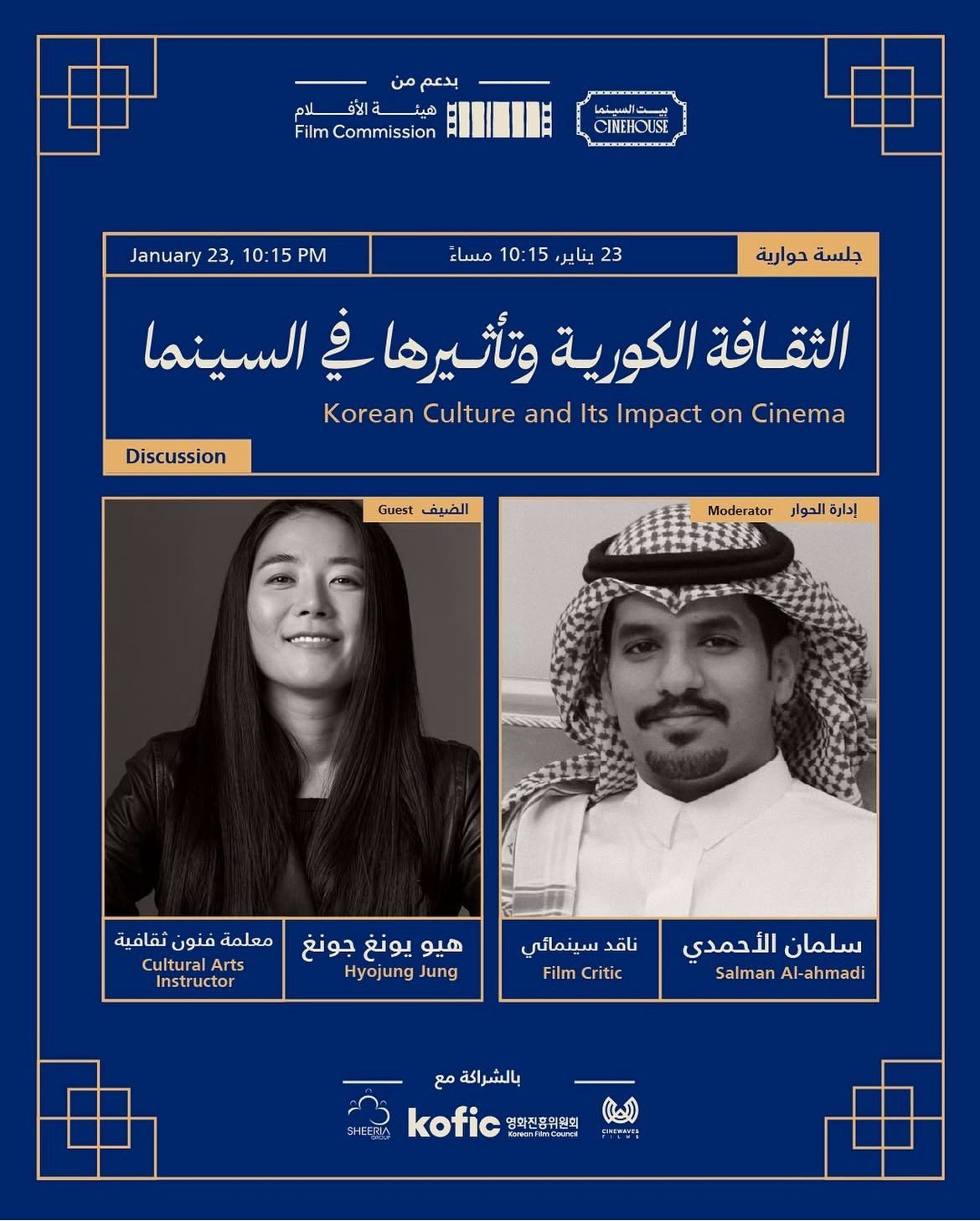
On the closing night, following the screening of Kim Jee-woon's film Cobweb as the closing title, a special discussion was held on the theme of "Korean Culture and Its Impact on Cinema." The session was moderated by Saudi film critic Salman Al-ahmadi, with this correspondent participating as guest speaker to discuss the universal appeal and international achievements of Korean cinema, and its points of connection with Saudi film. The discussion covered: ▲ the narrative characteristics of Korean cinema ▲ the impact of its global popularity ▲ the background of its growth and implications ▲ the period recreation in Cobweb.
▲ Closing night special discussion poster — Source: CineHouse
How has Korean cinema managed to develop realistic stories into artistically compelling and captivating works?
The correspondent remarked that "Korean creators make frequent use of narratives with unexpected twists and humorous social critique," noting that "these elements are key to how Korean cinema has elevated social reality into artistic work."
What impact has the global popularity of Korean film and art had on Korean people, and how has it felt personally?
"In the past, Korea was little known abroad, but now, through K-pop, Korean films, dramas, and the beauty industry, Koreans are perceived as far more familiar and welcome presences." The correspondent shared how the Korean Wave has transformed the experience of Koreans living and travelling abroad.
What lies behind Korean cinema's international achievements over the past 30 years, and what factors might Saudi cinema draw on for its own development?
The correspondent emphasised that "Korea is a country that has accumulated thousands of years of history, from Gojoseon through the Three Kingdoms (Goguryeo, Baekje, Silla), Goryeo, and Joseon," noting that "the many historical upheavals — including Qing dynasty subjugation, Japanese colonial rule, and the Korean War — became the wellspring that enriched the stories of Korean cinema." They also noted that "the growth of Korean cinema owed to policy support from national and local governments, educational institutions such as the Korean Academy of Film Arts (KAFA), and the investment and distribution networks of major companies such as CJ," advising that "if Saudi Arabia similarly invests resources consistently at the national, local, corporate, and educational levels, it is well placed to achieve strong results in film industry development."
How did the 1970s period recreation in Cobweb resonate with you?
"While I didn't experience the 1970s directly, I have encountered that era through my parents' generation's photographs and footage, and through documentaries." The correspondent shared with the audience the significance of the film's period recreation, adding: "While watching, I felt a sense of deep immersion, as though I had entered the past itself." Particular attention was drawn to the authentic recreation of the acting styles of the era: "I found it very interesting that the film faithfully reproduced the melodramatic, somewhat exaggerated acting style particular to the 1970s — a time before realist acting had truly taken root in Korean cinema."
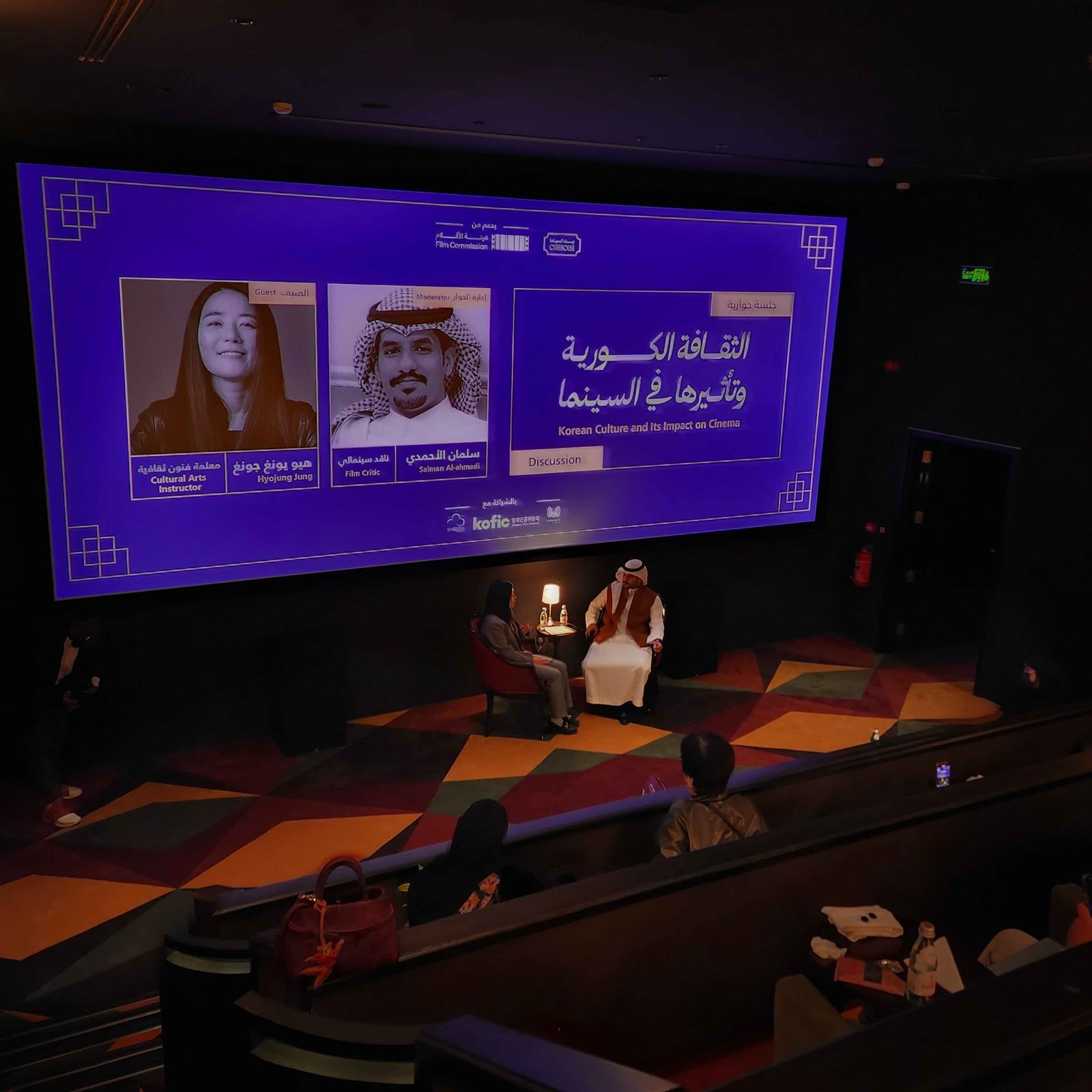
▲ Event day scenes — Source: CineHouse
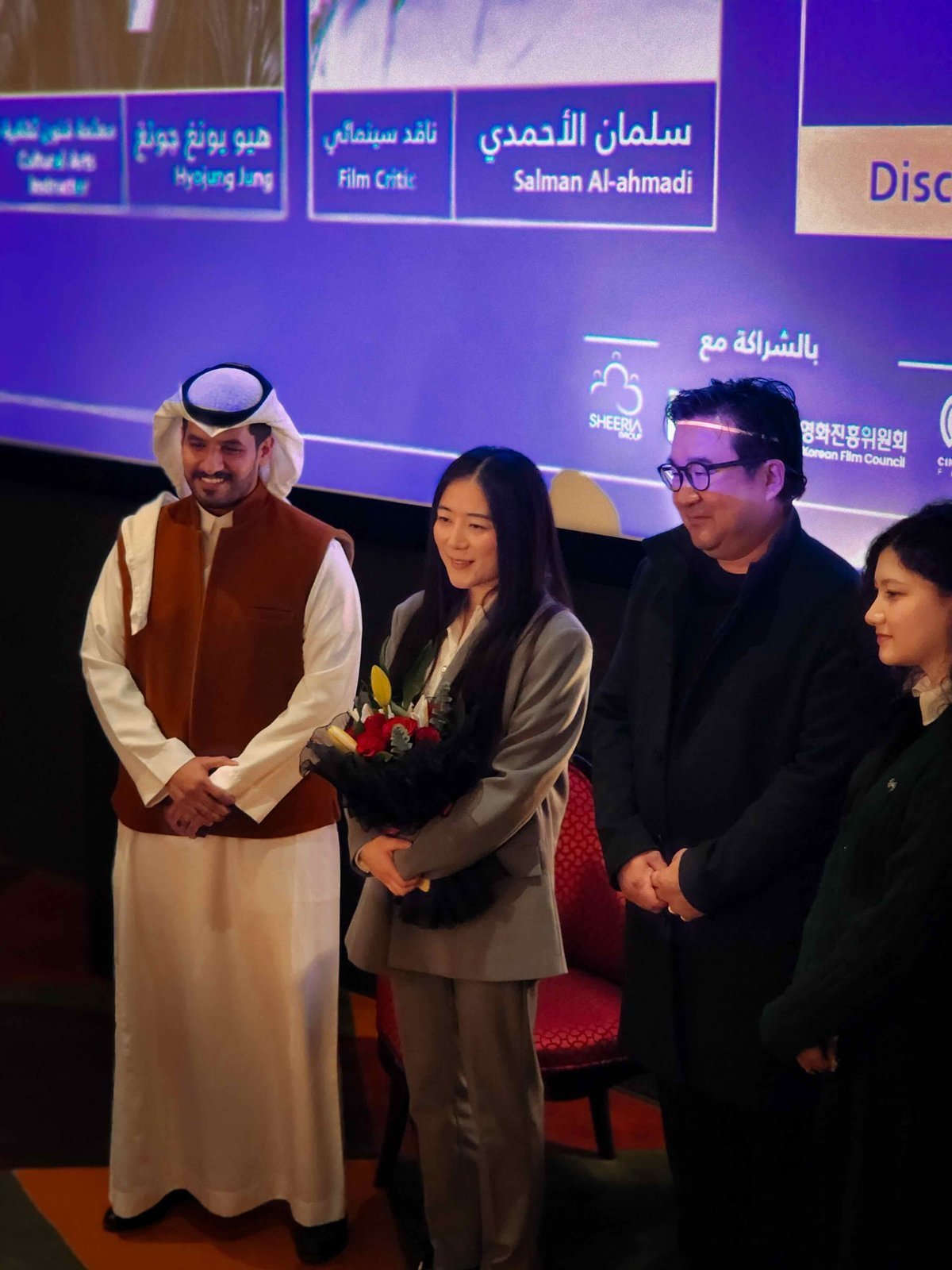
Even after the event ended, the enthusiasm continued. One local woman in hijab showed deep interest in the shamanistic elements that frequently appear in Korean films and posed a question. The correspondent explained that Korea possesses a unique religious tradition in which shamanism, Buddhism, and Confucianism are complexly interwoven — and through this exchange, it was once again confirmed that culture is a space in which people can speak openly even across different religions, and that it holds a power greater than religion alone. Susan Hammami, International Cooperation Director of CineWaves Films — who conceived and led the Korean Film Week at CineHouse Riyadh — also revealed that she is personally a fan of Korean culture. "I have been enjoying Korean films and music and learning the Korean language since my time studying in the United States," she said, expressing delight and gratitude at the successful conclusion of the event.
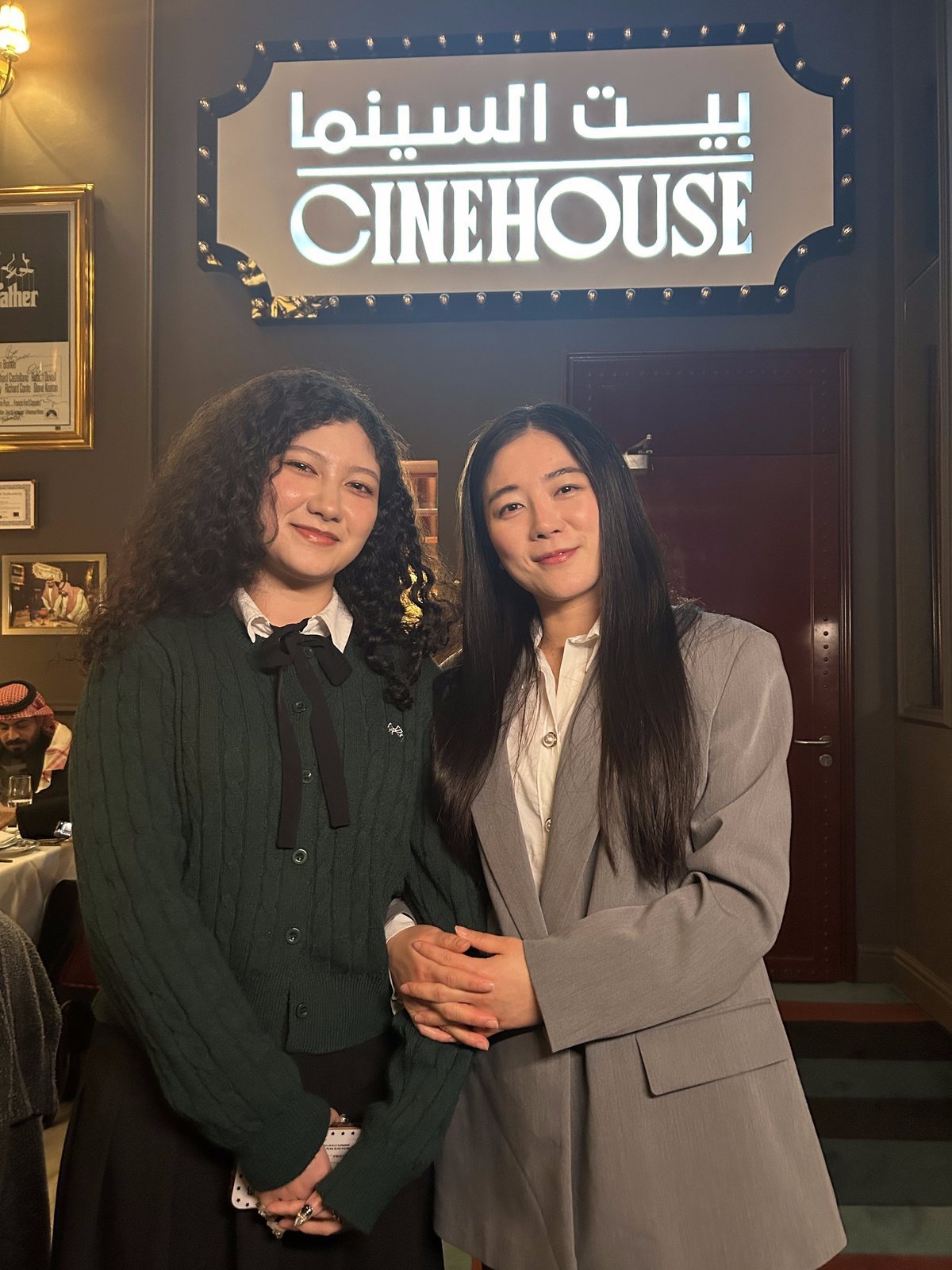
▲ International Cooperation Director Susan Hammami and the correspondent — Source: CineHouse
Expanding Status of Korean Cinema and Growing Local Interest
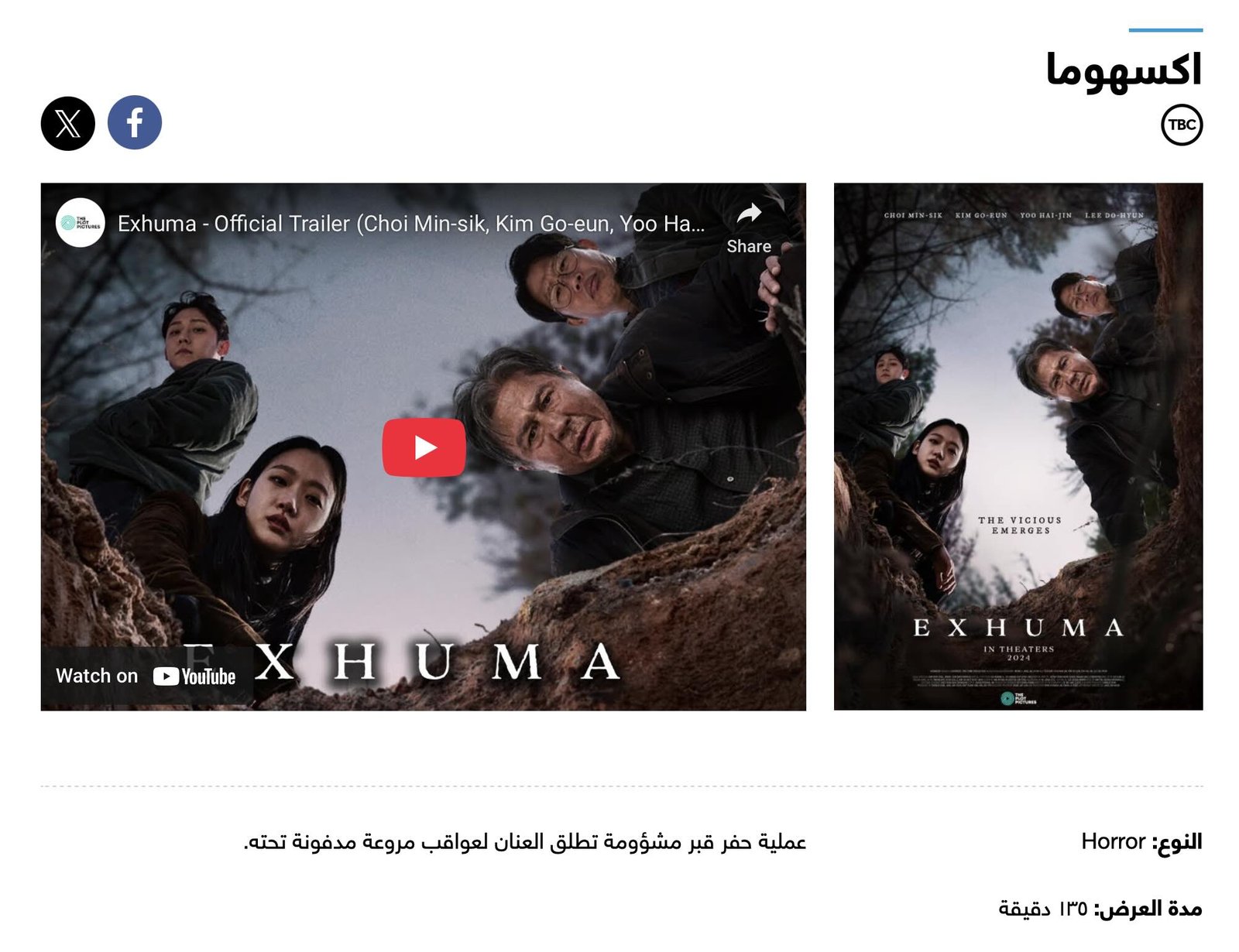
Last summer, the Korean film Exhuma was released at a major Saudi chain cinema, introducing local audiences to the unique appeal of the Korean occult genre. This correspondent was also able to enjoy the pleasure of watching the work at a local Riyadh cinema.
▲ Exhuma released in Saudi Arabia — Source: VOX Cinemas KSA
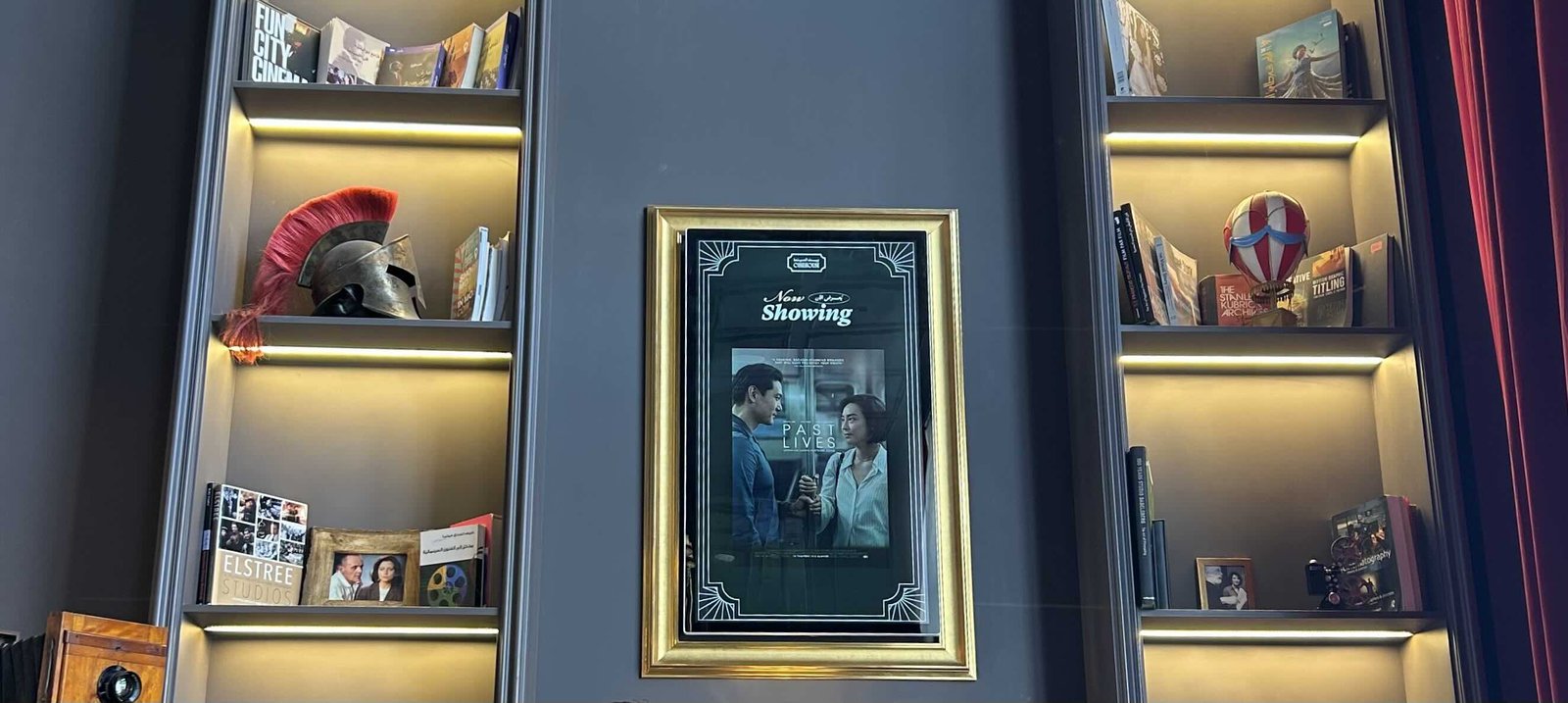
This summer at CineHouse Riyadh, Korean-Canadian director Celine Song's Past Lives was also screened — introducing local audiences to a work centring on the concept of in-yeon (fate and connection) and the narrative of a Korean immigrant woman.
▲ Past Lives showing at CineHouse Riyadh — Source: correspondent's own photograph
Opportunities to encounter Korean cinema in Saudi Arabia continue to expand. Saudi Arabia — a relatively late entrant to the film industry — is channelling significant national-level interest and investment into the sector, and is showing great interest in the history and development of Korean cinema, which has drawn worldwide attention in recent years. This momentum is translating into various forms of cooperation, including the partnership between the Saudi Film Commission and the Korean Film Council.